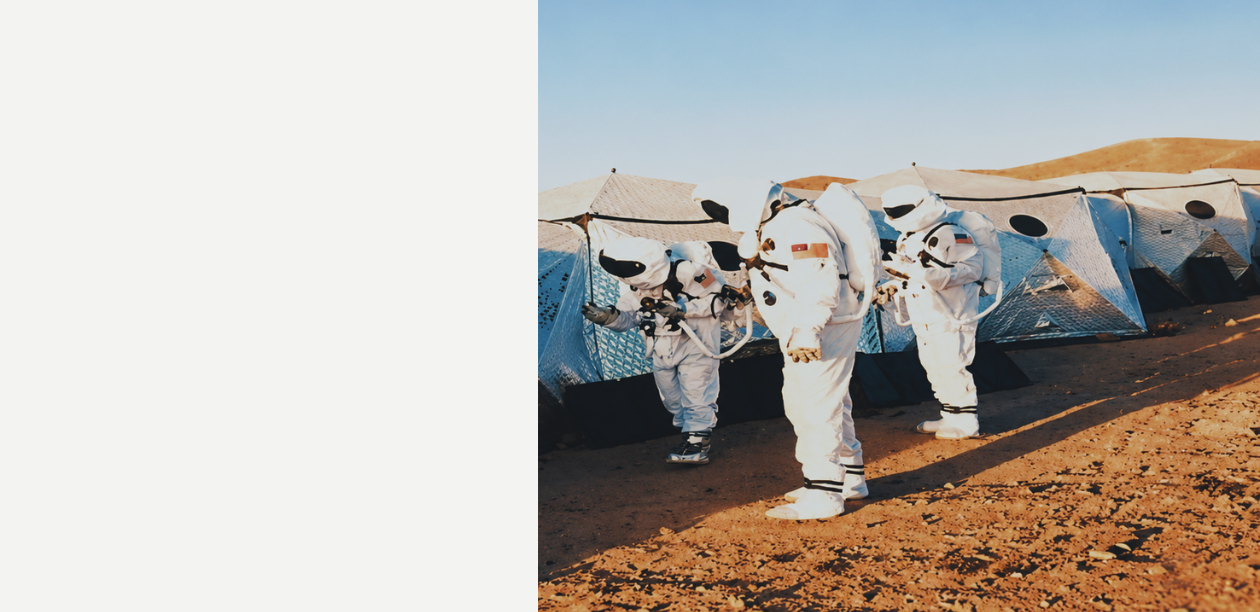
Analog space mission – mobile background
MMAARS — Mars-Moon Astronautics Academy & Research ScienceECOS Concordia — a space analog of Concordia College at Concordia Language Villages
Crew Russell Mission patch

CREW RUSSELL

MMAARS-ECOS-CREW-002
FUNDING TELEMETRY$50 / $3,500
1.4% FUNDEDGOAL: $3,500
SECTION 01MISSION

MISSION OVERVIEW

MISSION BRIEF

MMAARS-ECOS-002 is the first multi-week, fully immersive analog mission by Crew Russell conducted at the ECOS Basecamp in Minnesota, a low-fidelity lunar habitat simulator in an Isolated, Confined and Extreme (ICE) environment. The mission replicates the solitude, resource constraints, and operational logistics of a real extraterrestrial outpost.

A crew of three MMAARS eXplorerNAUTS (analog astronauts) will conduct nine research projects spanning AI mission support frameworks, behavioral and physiological human factors, psychological isolation, and lunar astronomy instrumentation—generating valuable data to advance humanity's readiness for long-duration space habitation.

The Mars-Moon Astronautics Academy & Research Sciences (MMAARS) is an international education, research, and innovation organization dedicated to preparing the next generation of space explorers, scientists, engineers, physicians, entrepreneurs, and leaders for humanity's future beyond Earth.

DURATION

MULTI-WEEK

CREW

3 MEMBERS

EXPERIMENTS

9 MODULES

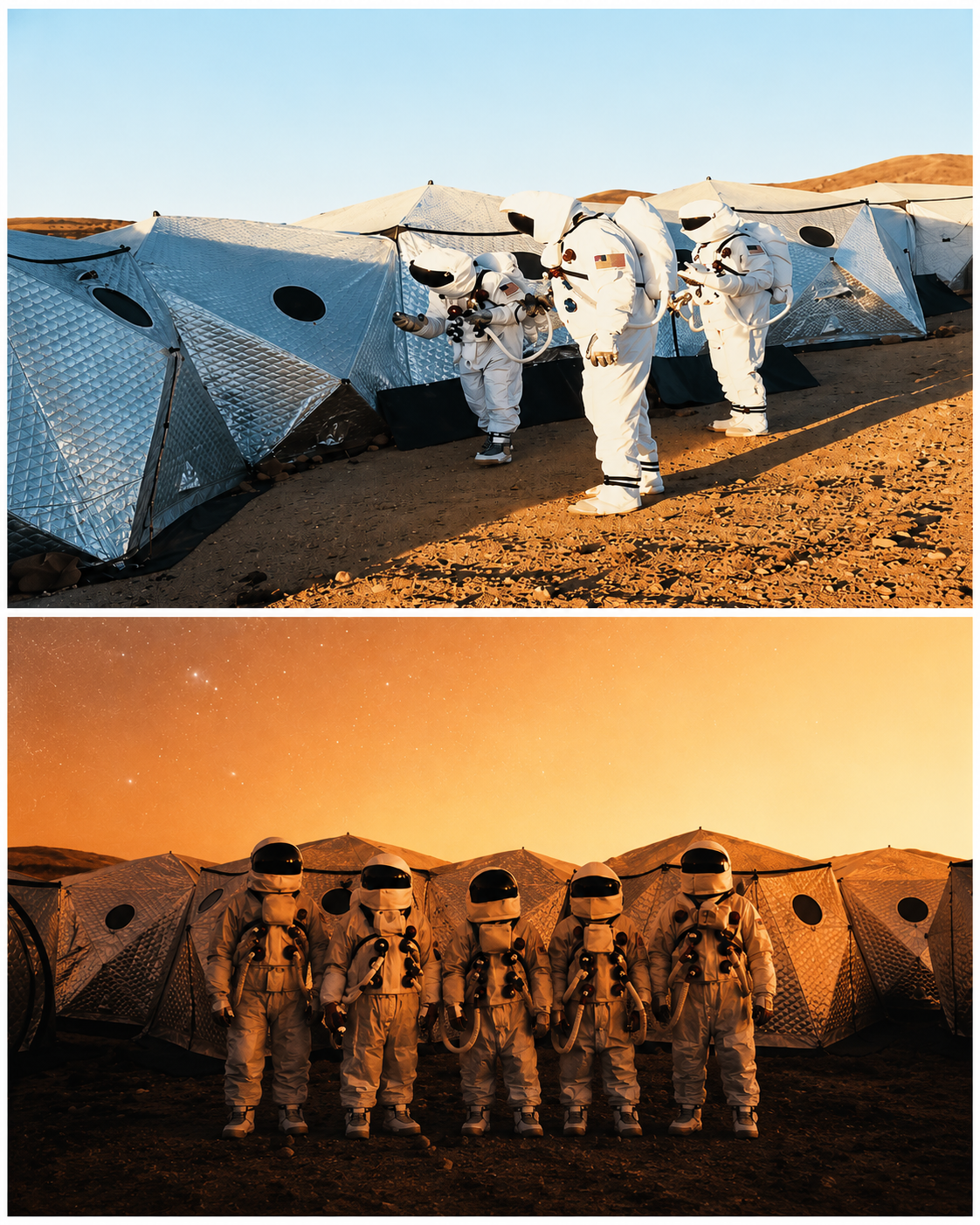
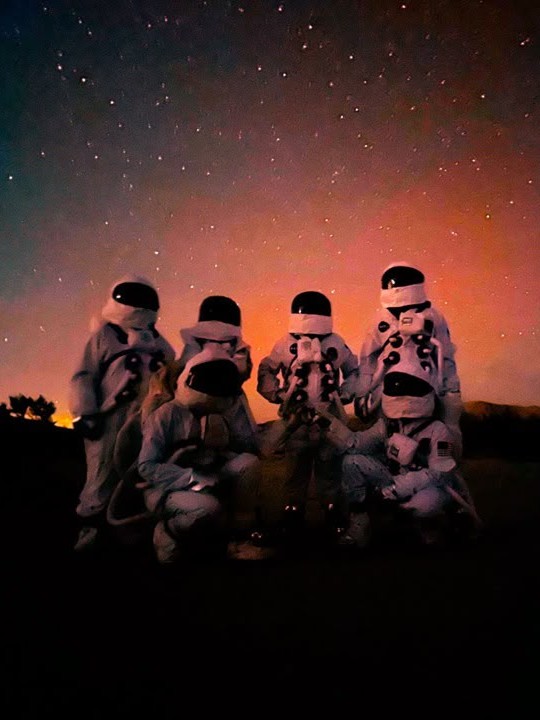
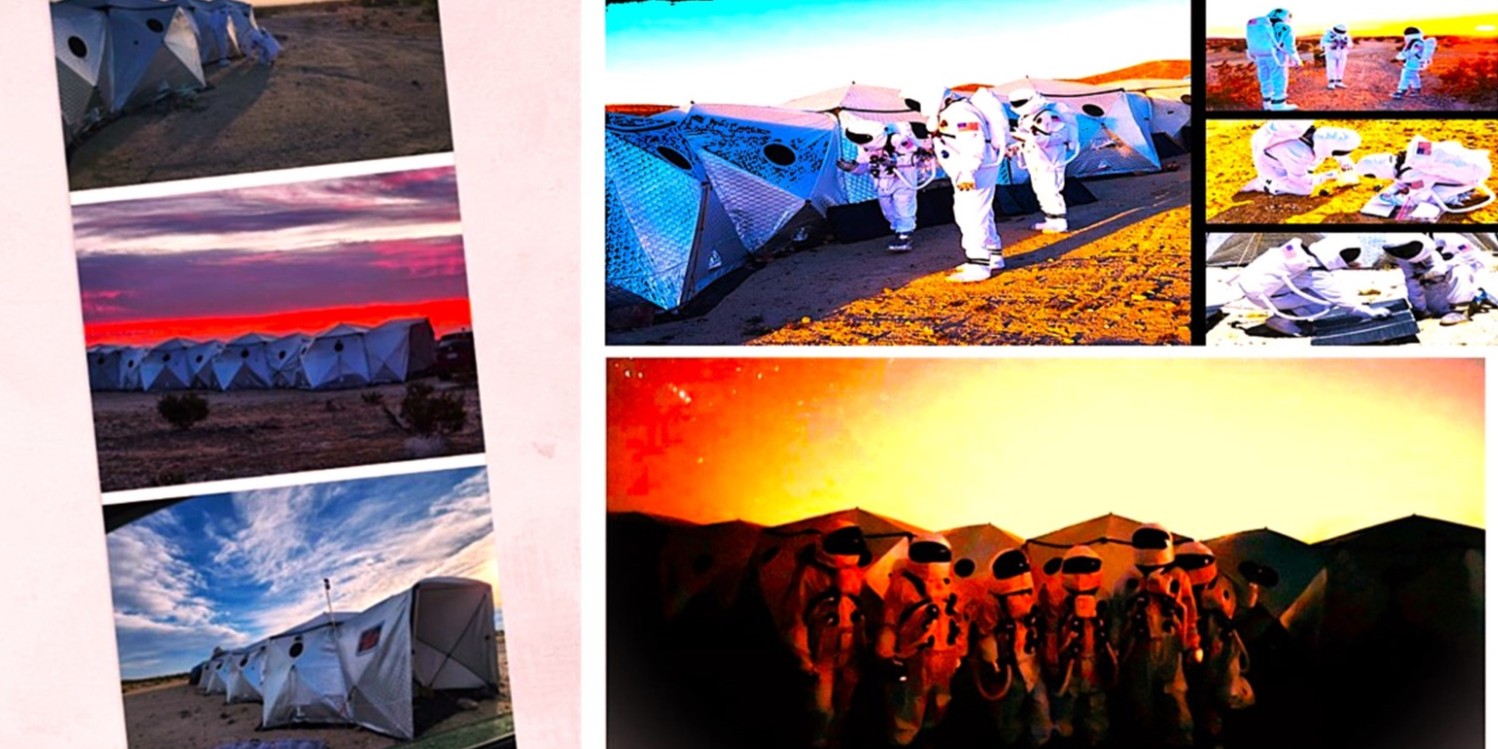
MMAARS BASECAMP
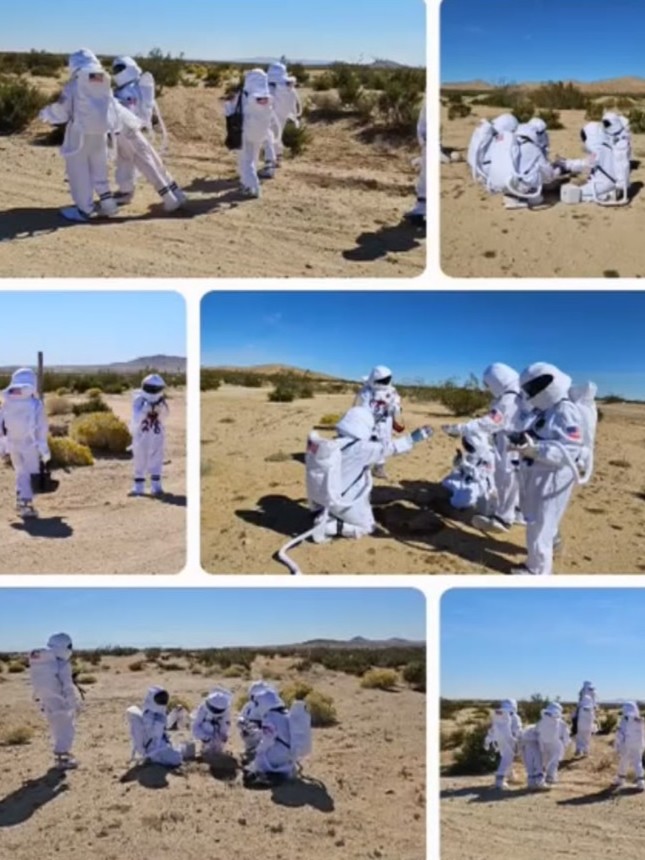
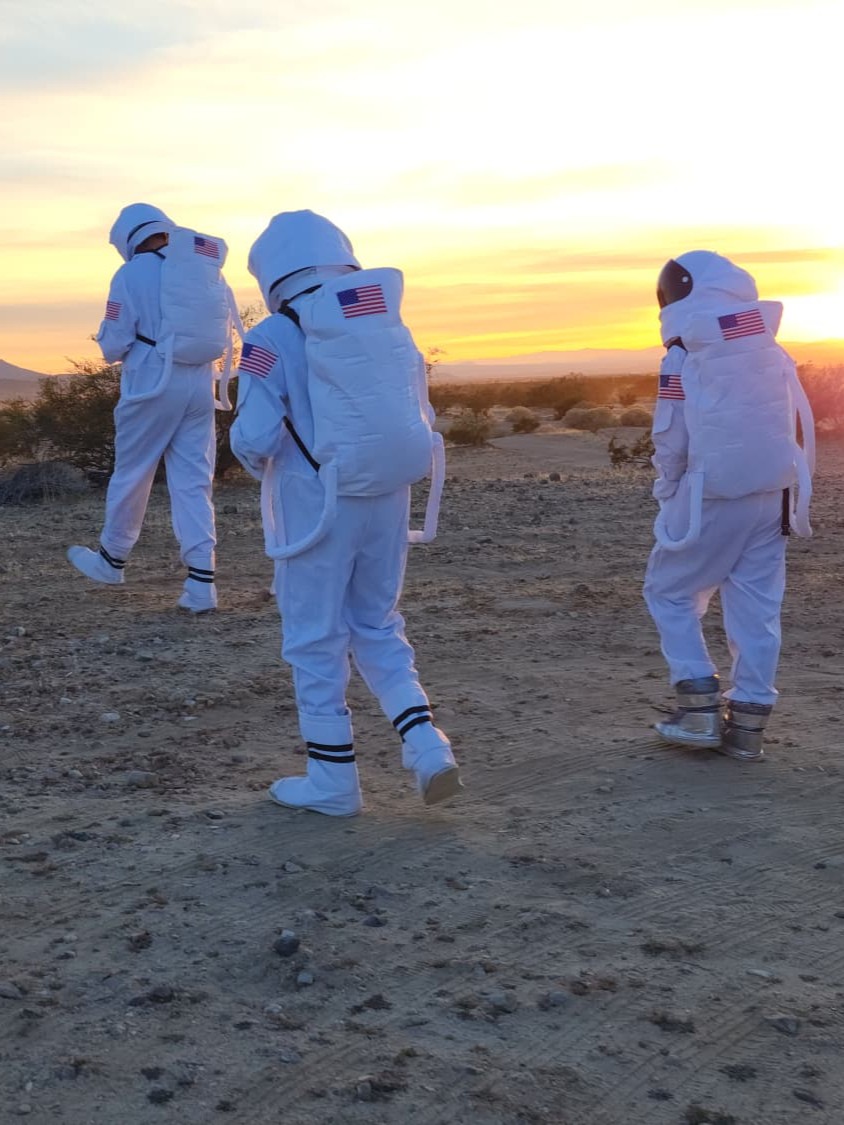
MMAARS CREW-2301 CONDUCTING AN EXTRAVEHICULAR ACTIVITY
MMAARS MEDICS CREW
MMAARS CREW CONDUCTING A GEOLOGICAL EXTRAVEHICULAR ACTIVITY
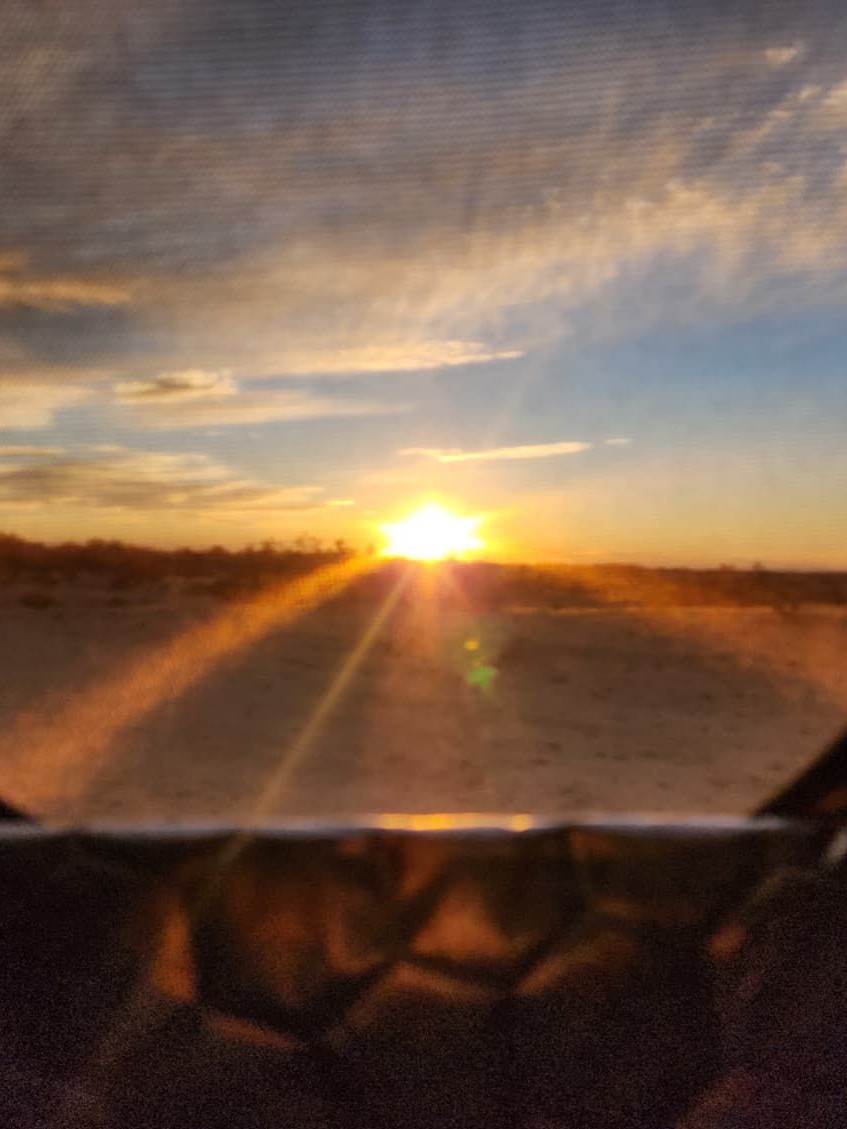
SUNRISE VIEWED FROM INSIDE THE BASECAMP HABITAT

MMAARS BASECAMP

SECTION 02PERSONNEL
Crew Trouvelot wings emblemeXplorerNAUT MMAARS mission patch

MEET THE CREW - eXplorerNAUTS™

Each crew member brings a unique STEM background and specialized field research. Click to expand their full dossier and academic history.

SECTION 03PARTNERS

PARTNER ORGANIZATIONS

ABOUT THE ORGANIZATIONS

ECOS Concordia logoMMAARS logo

Crew Russell is made possible through the collaboration of two dedicated organizations advancing analog space research and education.

About MMAARS

The Mars-Moon Astronautics Academy & Research Sciences, preparing the next generation of analog astronauts...

Learn More
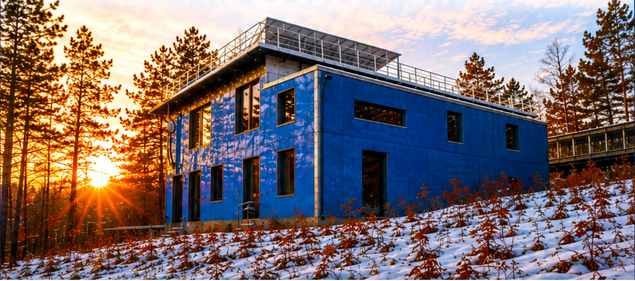
MMAARS basecamp

About ECOS

A space analog of Concordia College at Concordia Language Villages for immersive mission training...

Learn More
ECOS Concordia basecamp
SECTION 04INTEL

MISSION INTEL

LATEST NEWS

Updates on the crew, their research, and analog mission. Scroll through the feed and read the full story behind each report.

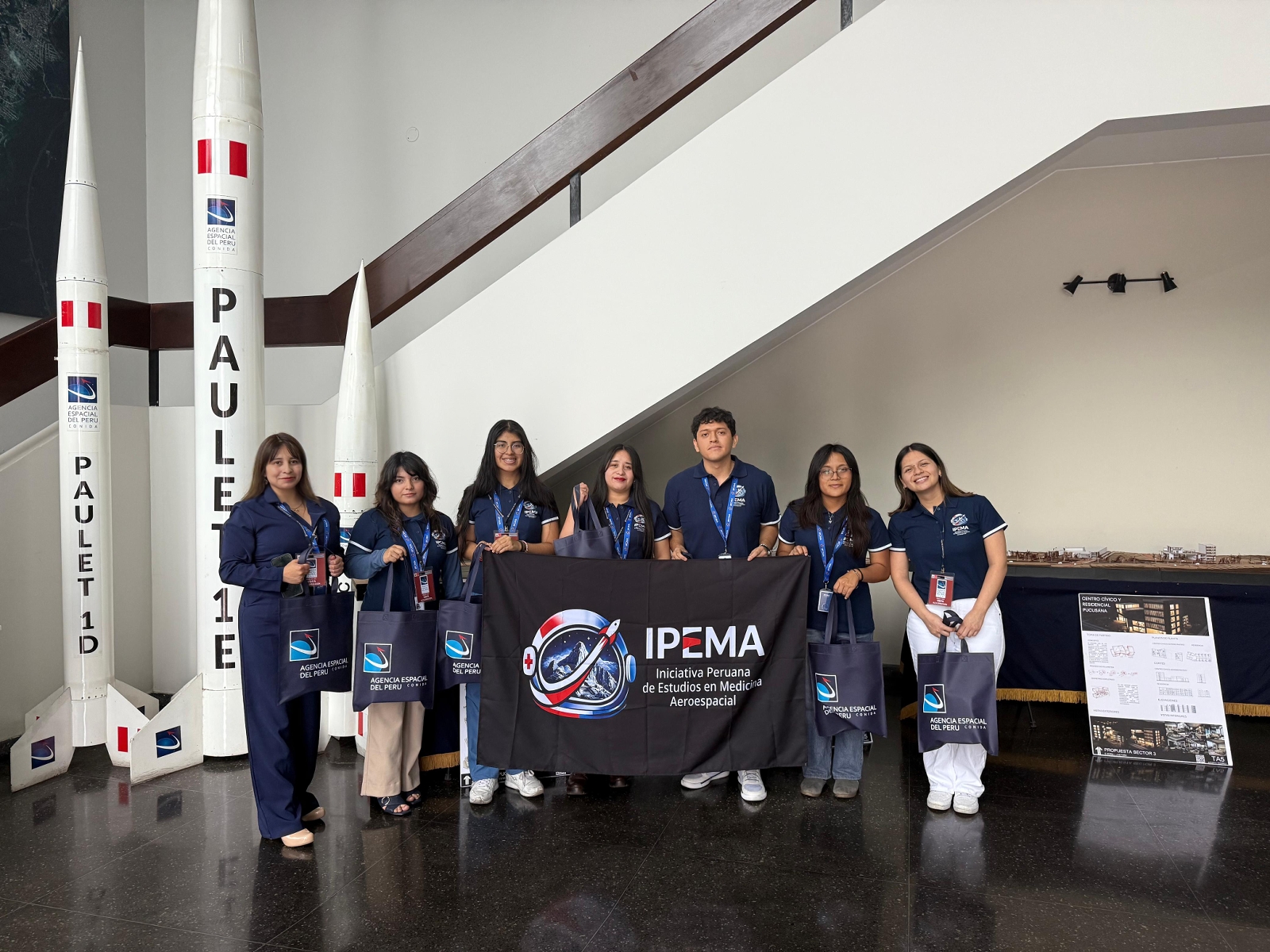
Representing IPEMA at CONIDA: Advancing Aerospace Medicine in Peru

Crew Members Log · JUL 2026

Representing IPEMA at CONIDA: Advancing Aerospace Medicine in Peru

In July 2026, crew member Daniella Hurtado had the opportunity to represent the Iniciativa Peruana de Estudios en Medicina Aeroespacial (IPEMA) as a speaker at a conference hosted...

READ MORE
Top Entrepreneur in USA Today: Crew Member Dame Tamara Pack

USA Today · FEB 2026

Top Entrepreneur in USA Today: Crew Member Dame Tamara Pack

Crew Member Dame Tamara Pack is highlighted as a Top 2026 Entrepreneur in USA Today. A "Renaissance woman, seamlessly blending scientific innovation, leadership, and humanitarianism."

READ MORE
SECTION 05LABORATORY

EXPERIMENT MODULES

RESEARCH PROJECTS

Nine scientific experiments designed to push the boundaries of analog space research. Each module represents a critical investigation into sustainable extraterrestrial habitation.

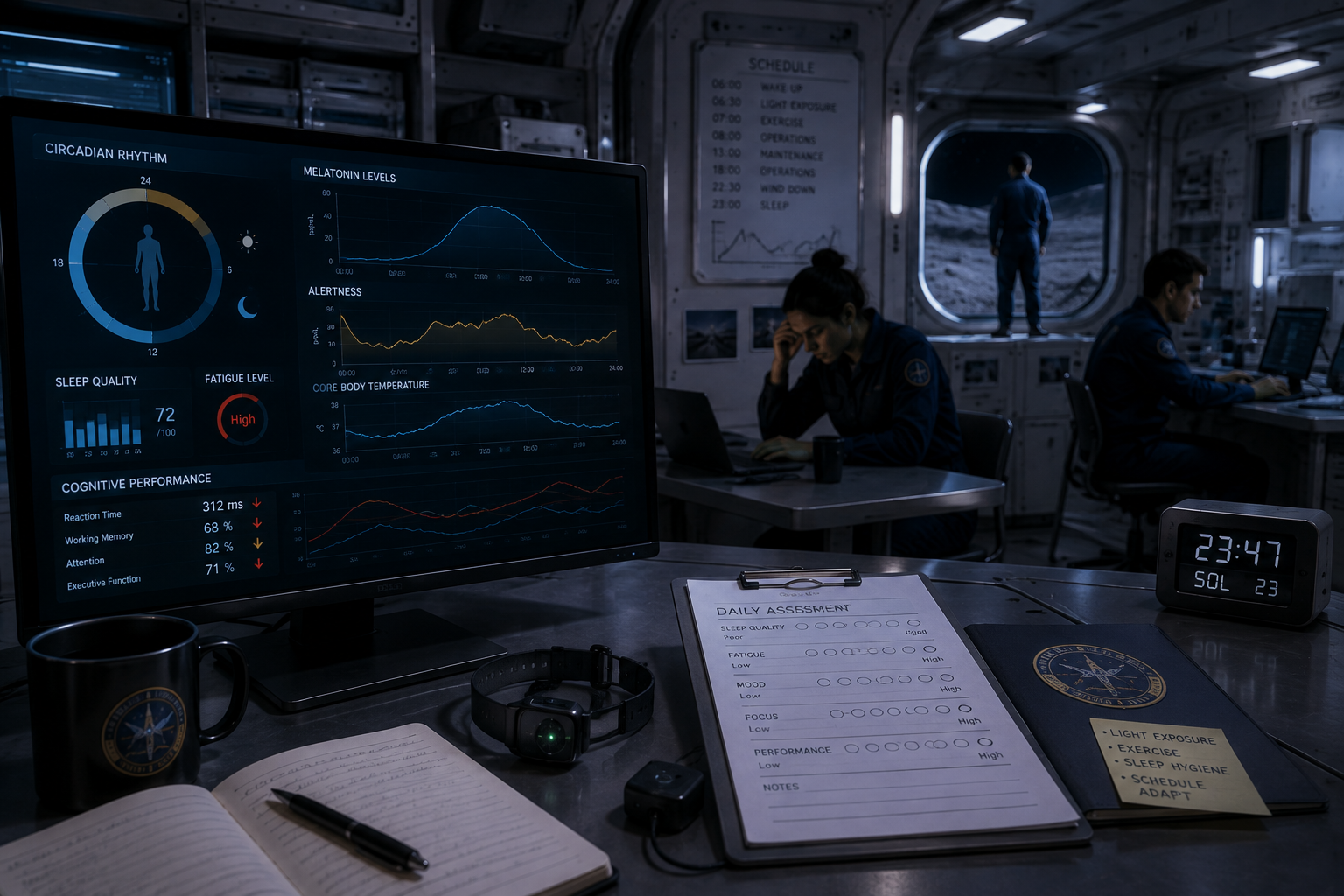
Visual representation of Circadian Drift: Evaluating Sleep, Fatigue, and Performance Adaptation in Analog Astronaut Crews research project
CIRC-01
Physical Health Factors

Circadian Drift: Evaluating Sleep, Fatigue, and Performance Adaptation in Analog Astronaut Crews

This study investigates how circadian disruption, sleep restriction, and operational fatigue affect cognitive performance, emotional regulation, physical endurance, team dynamics, and mission safety during analog astronaut missions. Future lunar and Martian crews may encounter altered or weak environmental time cues, demanding schedules, prolonged confinement, communication constraints, and high-consequence operational workloads. The proposed protocol uses repeated within-participant measurements across baseline, disruption/fatigue exposure, countermeasure, and recovery phases. Sleep and activity tracking, heart-rate variability, light-exposure monitoring, cognitive testing, self-report instruments, behavioral observations, and operational performance records will be integrated to characterize both individual and crew-level adaptation. The study is designed to determine whether structured circadian and fatigue-mitigation measures including controlled lighting, sleep-hygiene practices, workload management, and protected recovery are associated with improved alertness, cognitive accuracy, emotional stability, crew cohesion, and operational performance.

Visual representation of MyrmexInnerSpace: An Integrated Human-State and Environmental Decision-Support System for EVA Readiness and Operations research project
MIS-02
Physical Health Factors

MyrmexInnerSpace: An Integrated Human-State and Environmental Decision-Support System for EVA Readiness and Operations

MyrmexInnerSpace is an integrated decision-support system designed to support astronaut readiness and operations during extravehicular activities (EVAs). The project aims to determine whether human-state, environmental, and operational data can be integrated into a reliable, useful, and low-burden system while maintaining human oversight and mission safety. The pilot will establish a pre-mission baseline using an existing Google Forms health assessment, including the H5 Well-Being questionnaire and the PSS-14 for perceived stress. During the mission, repeated health assessments will be combined with physiological, environmental, and operational data. The study will evaluate three main objectives: supporting structured pre-EVA readiness assessment, providing useful real-time EVA support, and determining whether the system can operate reliably without creating unacceptable crew burden. The EVE AI will provide wellbeing-focused recommendations related to pacing, hydration, recovery, stress, and rest, while the KIRK AI will provide operational guidance related to tasks, hazards, environmental conditions, and exploration priorities.

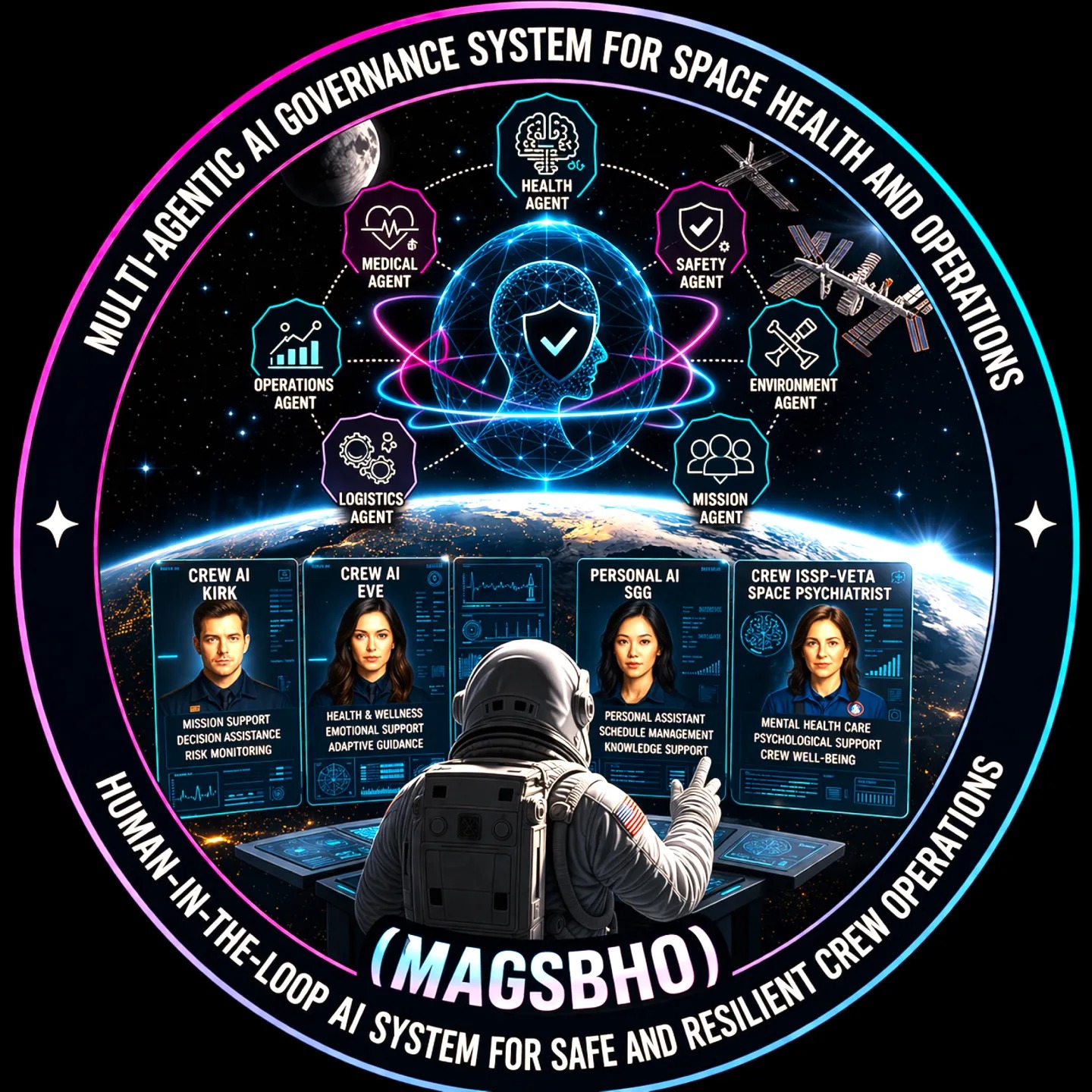
Visual representation of MAGSBHO: AI Governance for Crew Health Safety & Operations research project
AI-03
Crew Dynamics

MAGSBHO: AI Governance for Crew Health Safety & Operations

MAGSBHO is a governance-constrained, multi-agentic AI framework designed to provide operational support, behavioral health guidance, and personal safety monitoring to crew members during MMAARS analog missions. Built on a human-in-the-loop architecture, the system prioritizes safety, transparency, and controlled autonomy in environments where decisions directly impact human health and mission outcomes.

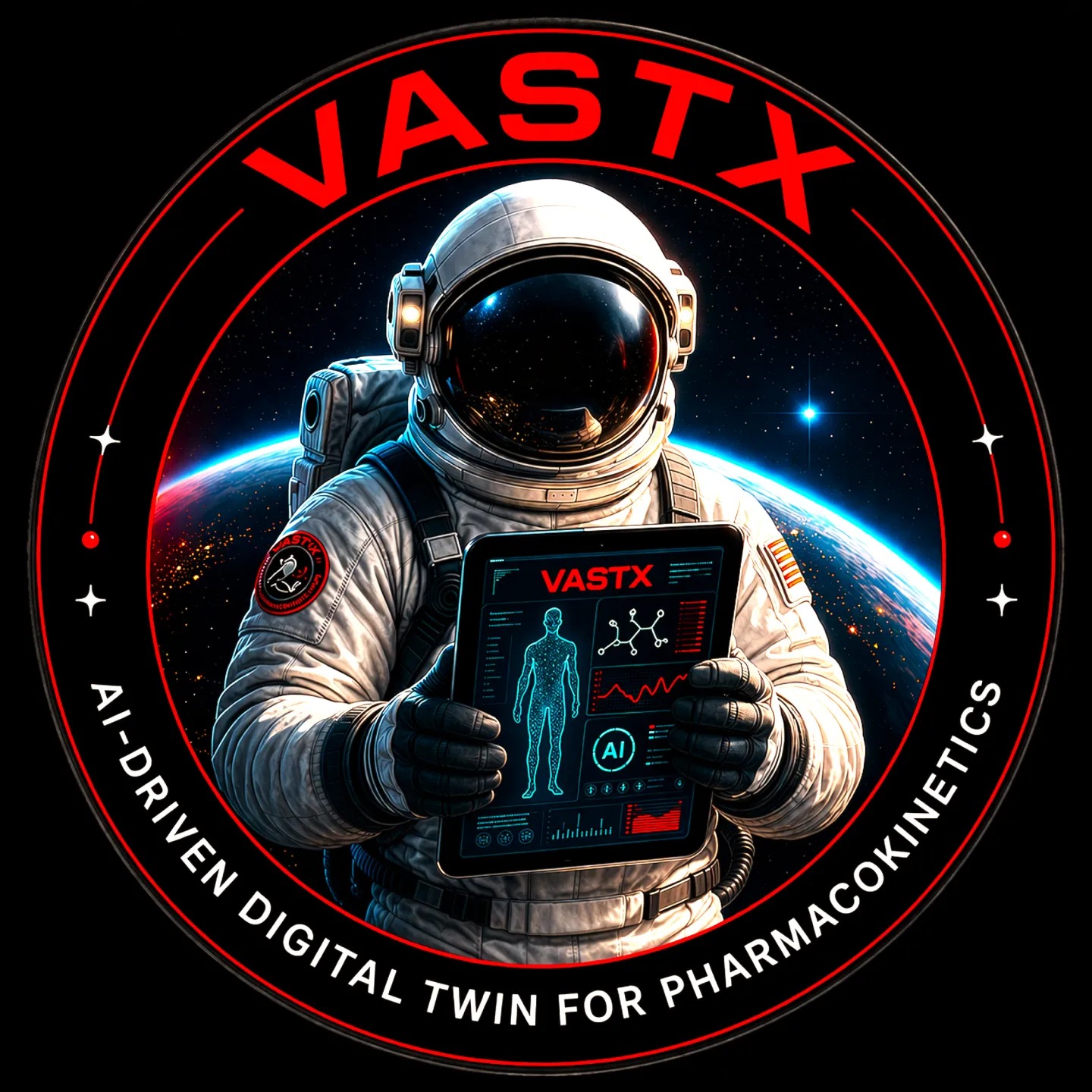
Visual representation of VASTX: AI-Driven Digital Twin for Precision Space Pharmacokinetics research project
VSX-04
Physical Health Factors

VASTX: AI-Driven Digital Twin for Precision Space Pharmacokinetics

AI-powered digital twin platform designed to model human physiology and drug behavior in spaceflight and extreme environments. The system integrates physiologically based pharmacokinetic (PBPK) modeling, machine learning, and real-time wearable biosensor data to simulate how medications are absorbed, distributed, metabolized, and excreted under altered physiological conditions. Through integration with wearable biometrics and analog astronaut mission validation, VASTX advances the transition from reactive treatment models to predictive and precision-based medicine for spaceflight and remote terrestrial applications.

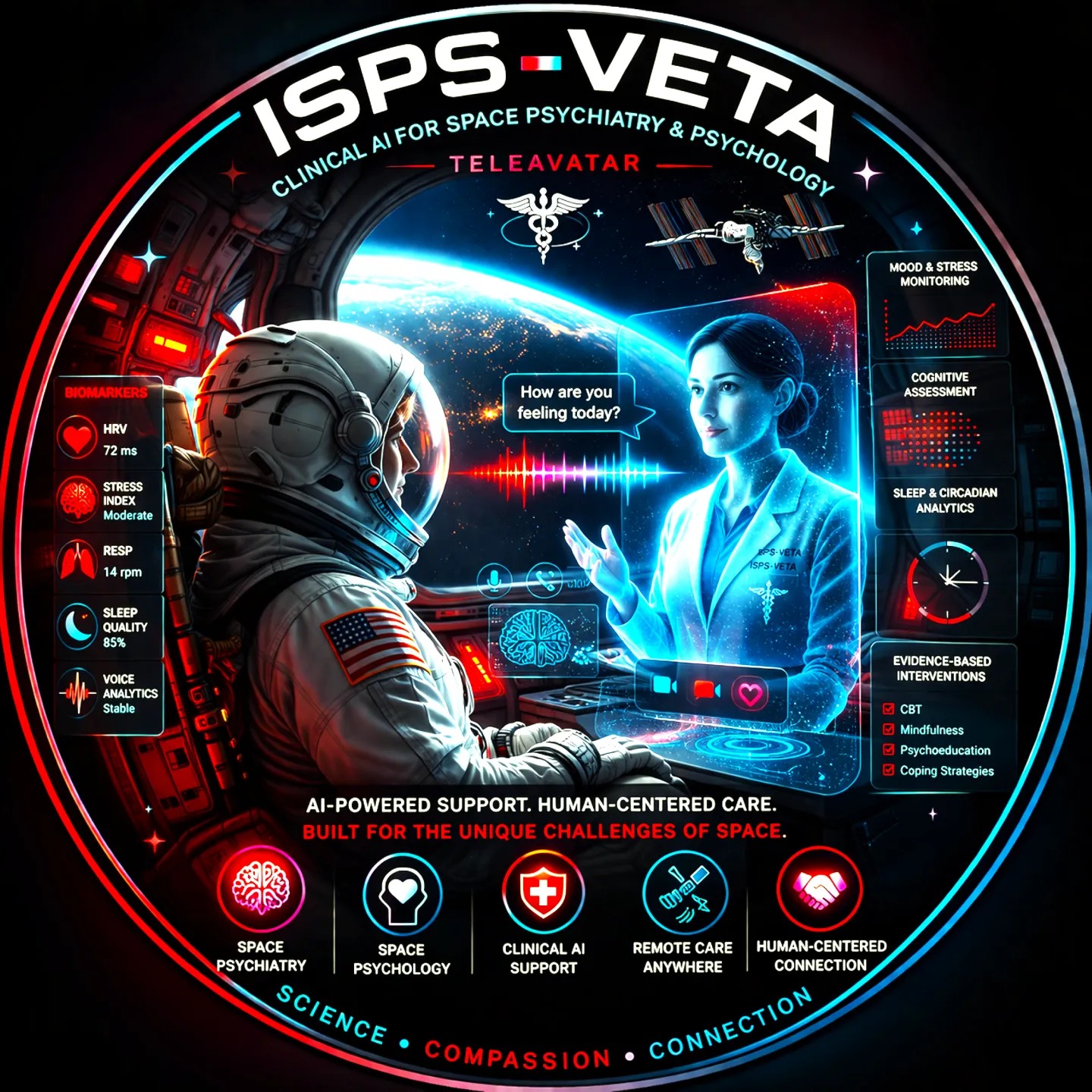
Visual representation of ISPS-VETA: A Clinical AI Sim for Behavioral Health Triage research project
ISPS-05
Psychological Isolation Dynamics

ISPS-VETA: A Clinical AI Sim for Behavioral Health Triage

The Integrated Space Psychiatry System – Virtual Embodiment Tele-Psychiatrist Avatar is an AI-driven clinical simulation and behavioral health triage platform designed to support psychological monitoring, assessment, and intervention in isolated, confined, and extreme (I.C.E.) environments. The system integrates virtual embodiment, telepresence, and intelligent decision-support to enable real-time evaluation of cognitive, emotional, and behavioral states under operational conditions.

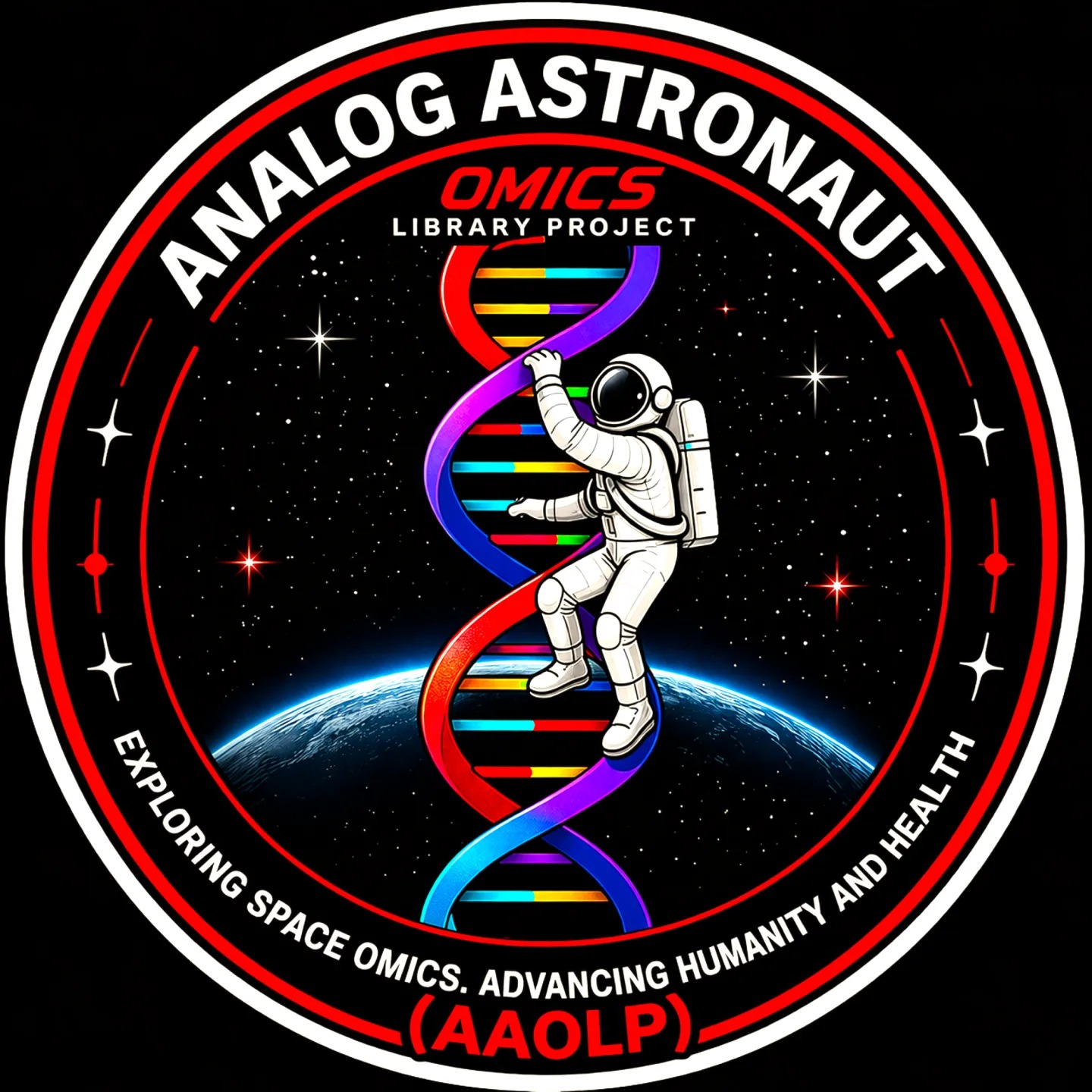
Visual representation of AAOLP: Analog Astronaut OMICS Library Project research project
OMCS-06
Physical Health Factors

AAOLP: Analog Astronaut OMICS Library Project

A longitudinal, high-fidelity research initiative designed to characterize the biopsychosocial, genetic, epigenetic, and physiological responses of humans operating in isolated, confined, and extreme environments (I.C.E.E). Integrating multi-omics data,(genomics, epigenomics, transcriptomics, proteomics, metabolomics, and microbiome profiling) with continuous physiological and behavioral monitoring, the project aims to develop a systems-level understanding of human adaptation under environmental stress. Grounded in analog astronaut missions conducted in terrestrial I.C.E.E environments such as underwater habitats, high-altitude regions, and confined simulations, AAOLP examines key stressors, including isolation, circadian disruption, cognitive load, and psychological strain that parallel spaceflight conditions.

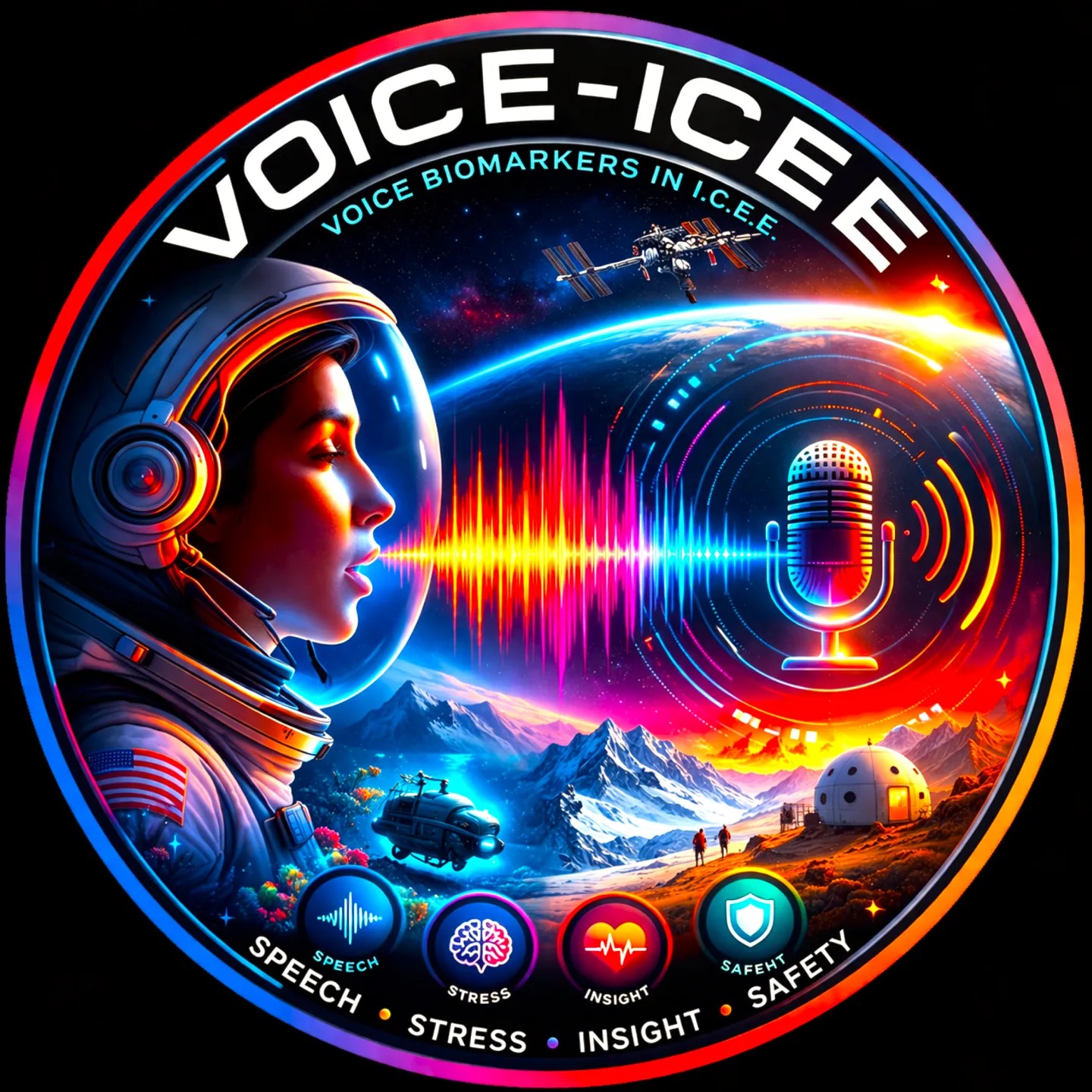
Visual representation of VOICE-ICEE: Voice Biomarkers in Isolated, Confined, and Extreme Environments research project
ICEE-07
Psychological Isolation Dynamics

VOICE-ICEE: Voice Biomarkers in Isolated, Confined, and Extreme Environments

VOICE–I.C.E.E (Voice and Speech Analysis in Isolated, Confined, and Extreme Environments) is an AI-driven research initiative investigating speech and voice as non-invasive digital biomarkers for detecting neurobehavioral, cognitive, and physiological stress in isolated, confined, and extreme environments (I.C.E.E). Leveraging advanced signal processing, machine learning, and longitudinal voice analysis, the system identifies subtle changes in vocal patterns associated with fatigue, stress, cognitive load, and neurological function.

Visual representation of Chrononutrition Timing Study research project
CHRN-08
Physical Health Factors

Chrononutrition Timing Study

The Chrononutrition Timing Optimization Study is a pioneering operational research initiative developed through MMAARS under the longitudinal Analog Astronaut OMICS Library Project (AAOLP) framework to investigate how circadian-aligned meal timing may improve human adaptation, resilience, cognition, sleep quality, metabolic regulation, behavioral health, and operational performance within isolated, confined, and extreme environments (I.C.E.E.). While traditional astronaut nutrition research has primarily focused on calories, macronutrients, and food preservation systems, this study explores the emerging field of chrononutrition, which examines how the timing of food intake itself functions as a powerful biological regulator influencing circadian rhythms, hormonal signaling, mitochondrial metabolism, inflammation, cognitive performance, stress resilience, and sleep architecture.

SECTION 06LOGISTICS

MISSION FUNDRAISER

SUPPORT THE MISSION

Select your level of support. Each tier directly funds critical mission equipment and mission expenses. Every contribution brings us closer to launch.

$20–$99

Mission Friend

Provide to cover accommodation expenses for the crew before and after the mission.

  • ›Digital Mission Patch
  • ›DIGITAL 'THANK YOU' CERTIFICATE
  • ›SIGNED DIGITAL MISSION POSTCARDS
DONATE
$100–$249

LUNAR EXPLORER

Cover administrative fees and habitat maintenance costs.

  • ›ALL PREVIOUS TIERS
  • ›PERSONALISED DIGITAL MISSION PATCH
  • ›BEHIND-THE-SCENES MISSION DIGEST
  • ›PERSONAL MISSION BOARDING PASS
DONATE
$250–$486

STELLAR SUPPORTER

Support the crew transportation expenses to the ECOS Basecamp.

  • ›ALL PREVIOUS TIERS
  • ›PERSONAL CREW ID CARD
  • ›Q&A WITH THE CREW
DONATE
$500+

RUSSELL PIONEER

Become a top-tier patron — the highest circle of support for Crew Russell's Mission.

  • ›ALL PREVIOUS TIERS
  • ›MMAARS VIRTUAL LEVEL 1 SCHOLARSHIP PRIORITY CONSIDERATION
DONATE

TOTAL RAISED

$50

MISSION GOAL

$3,500

CREW MEMBERS

3

EXPERIMENTS

8

Crew Russell

A crowdfunded analog space mission dedicated to advancing human readiness for extraterrestrial habitation through rigorous scientific research.

MISSION PARAMETERS

  • DURATION: MULTI-WEEK
  • CREW SIZE: 3 MEMBERS
  • EXPERIMENTS: 9 ACTIVE
  • LOCATION: ECOS BASECAMP, MN

CONTACT THE CREW

© 2026 MMAARS CREW RUSSELLALL SYSTEMS NOMINAL
base44
Edit with Base44